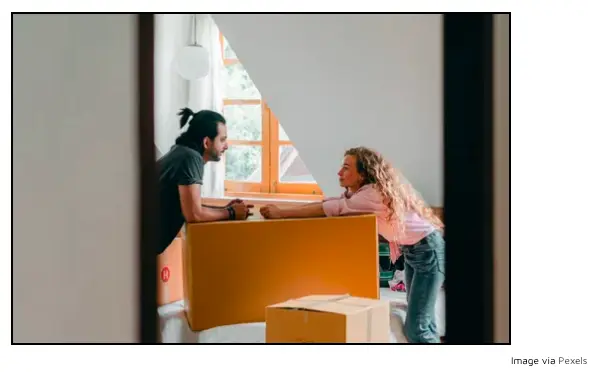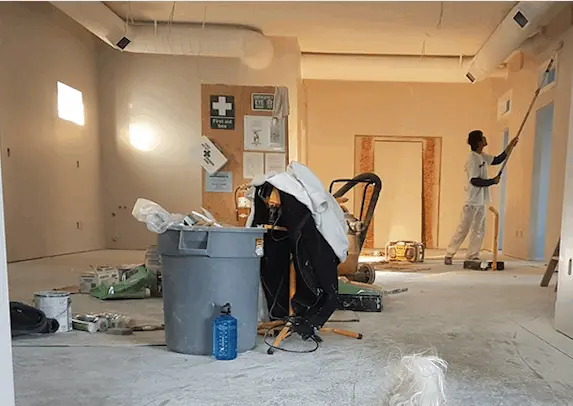
Refreshing an Investment Property: Practical Upgrades That Rent Faster and Appraise Better
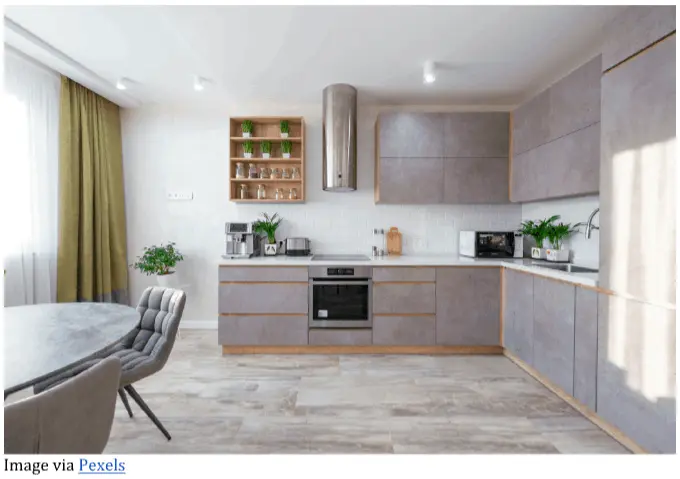
Refreshing an Investment Property:
Practical Upgrades That Rent Faster and Appraise Better
An investment property is a home, condo, or multi-unit you rent out to tenants—and its appeal (and value) rises or falls with how it looks, functions, and holds up under real-life use. Most of the time, the difference between “meh” and “must-have” is a short list of fixes: brighter light, cleaner lines, fewer squeaks, and finishes that photograph well. The trick is spending where tenants notice it—and skipping the stuff they won’t pay extra for.
In a nutshell
- Start with fixes that remove “deal-breakers”: odors, stains, bad lighting, sticky doors, leaky faucets.
- Then add a few visible wins (paint, floors, hardware) that make photos pop and showings feel easy.
- Spend bigger money only where tenants genuinely feel it: kitchens, baths, laundry, comfort, and durability.
The “value vs. effort” snapshot
Upgrade area
What it improves
Best when
Fresh paint + modern trim color
First impressions, brightness
Any turnover
Lighting + switches/dimmers
“Newer” feel, safety
Dark rooms, older fixtures
Cleanliness, odor control
Worn carpet, pet-heavy market
Kitchen touch-ups (hardware, faucet, backsplash)
“Updated” signal
Cabinets are solid
Bathroom refresh (vanity, mirror, ventilation, grab bars)
Hygiene perception
Older finishes
Durability upgrades (door hardware, caulk, weatherstripping)
Fewer calls, lower wear
High-traffic units
Curb appeal (mulch, house numbers, entry lighting)
Higher showing conversion
Street-facing properties
Financing upgrades without waiting years
For some landlords, the limiting factor isn’t ideas—it’s cash flow timing. A loan option some real estate investors use for improvements is a DSCR loan. If you’re exploring that route, here’s a plain-English overview of what is a DSCR loan: it can allow qualification based on rental income rather than personal income, which may make it easier to fund cosmetic upgrades, durability improvements, or tenant-friendly features that raise rent and value. A DSCR is commonly calculated by dividing a property’s monthly rental income by its total monthly housing payment (mortgage, taxes, and insurance); a ratio of 1.00 or higher indicates the income is sufficient to cover those costs.
What’s turning people off?
Before you pick finishes, walk the unit like a picky tenant. Stand still in each room for 10 seconds and notice what you feel first. Here are some of the most common “nope” triggers:
- Lingering smells (smoke, pets, mildew)
- Dingy walls or mismatched paint
- Dim, yellow lighting
- Loose handles, squeaky doors, scuffed baseboards
- Old caulk or grime in bathrooms/kitchen
- Poor airflow (noisy or ineffective bath fan)
High-impact upgrades tenants actually notice
- Laundry access: in-unit laundry is gold; if not possible, improve onsite laundry usability and cleanliness.
- Storage: add a simple closet organizer or shelving where space is awkward.
- Climate comfort: ceiling fans, better blinds, and weatherstripping reduce complaints and boost comfort.
- Noise and privacy: solid door sweeps, basic window treatments, and tighter door hardware can help.
- Simple safety upgrades: good exterior lighting and secure locks make a showing feel calmer.
A resource worth bookmarking
If you want upgrade ideas that reduce operating costs (and can be a quiet selling point for tenants), the ENERGY STAR Home Upgrade guide is a solid place to browse improvements like insulation, air sealing, and efficient equipment.
FAQ
How do I choose upgrades that increase value, not just cost?
Prioritize changes that remove friction: cleanability, lighting, durability, and anything that reduces maintenance calls. If an upgrade won’t show up in photos or in comfort, be cautious.Should I always remodel the kitchen to get higher rent?
No. Many rentals perform well with a “tightened-up” kitchen: consistent hardware, good lighting, clean counters, and a reliable faucet. Full remodels are best when layout or condition is truly holding the unit back.What’s the easiest way to avoid over-improving?
Compare your unit to the top 3–5 nearby rentals in your price range. Match (or slightly exceed) their finish level—don’t try to be the fanciest place on the block unless your market supports it.How do I reduce vacancy time during renovations?
Keep your scope tight, buy materials in advance, and focus on fast-drying paints and easy installs. Photos matter: even small upgrades can dramatically improve your listing images.Conclusion
Refreshing an investment property is mostly about removing hesitation: make it clean, bright, and dependable first, then add a few upgrades that read as “well cared for.” Aim for durable materials, consistent finishes, and comfort improvements tenants feel every day. Done thoughtfully, you’ll boost demand, protect the asset, and improve the odds of higher rent without chasing unnecessary luxury.
—- Written by : Kristin Louis Parentingwithkris.com
Recent Posts